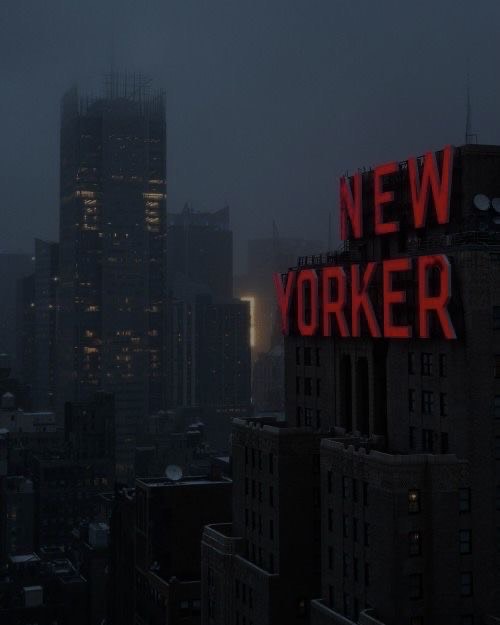


Cattleya learned early that New York City did not notice longing. It noticed speed, money, ambition, and hunger but not the quiet ache of a girl who loved someone who did not love her back. The city moved regardless, rushing past her as she stood at crosswalks, her reflection multiplied in glass storefronts, her breath fogging the winter air. Somewhere above trains thundered, somewhere below pipes groaned like old men complaining about the cold and anywhere people carried invisible burdens heavier than their coats.
Cattleya carried her close to her chest, it was not the chain at least not yet. It was Dorian’s.
She had known him for three years since her sophomore year at NYU; they met in a photography elective; neither of them needed both pretending they were there for art rather than easy credits. Dorian took pictures of strangers without asking, framing their loneliness with remarkable tenderness. Cattleya noticed the way his hands never shook when he held a camera even when his life seemed to.
They became friends in a slow, careful way New Yorkers do: deli runs for BEC and bev, shared headphones on the subway, conversations cut short by arriving stations. She learned his habits, the way he tapped twice on the table when thinking, how he hummed without realizing it, the birthmark on the side of his face.
And she fell in love without permission.
Dorian never promised anything that was the cruelest part. He was kind, attentive, affectionate in a way that blurred lines but never crossed them. When she laughed he watched her like laughter was rare and valuable. When she cried he sat close but not touching, as if afraid that comfort might be misinterpreted as devotion.
Cattleya waited anyway, her father warned her against waiting.
He was a quiet man with hands shaped by heavy labor and prayer. After her mother died, he spoke less, choosing instead to communicate through gestures: a platte slid across the table, a coat draped over her shoulders, the steady presence of someone who believed love was shown,not announced.
He worked maintenance at a church in Queens, a small place filled with candles and chipped statues and old women who smelled of lavender and devotion. The Divino Nino stood near the altar a child christ figure dressed in red and gold one hand raised in blessing the other clutching the globe. Around his neck hung a thin chain donated years ago by a woman who claimed Nino saved her son from a bullet.
Maricles, her father believed, were not loud.
”They are heavy” he once told her polishing the candle stands, “They weigh on you.” “They make you be responsible.”
Catteya didn’t ask for that. She had grown up with Divino Nino watching over her. On the nights when the city felt too large and her grief too sharp, she lit candles and whispered requests she did not fully understand. She never asked for love outright. She asked for clarity, for signs. For something to tell her when to finally let go. None came, until Dorian told her about Jada.
“She’s not like you,” he said gently, as if that softened the blow. “I don’t think she meant to stay.”
Cattleya smiled and nodded and went home and pressed her forehead against the cold window of her apartment watching the city glow and blur beneath her tears. Something inside her cracked not loudly, not completely, but enough to let something else in.
The idea arrived quietly. The chain.
She remembered the stories whispered by old women at church that the Divino Nino’s gifts were not always kindness, that he returned what was taken with interest. That the love was stolen through prayers could not be held without any consequence.
Cattleya didn’t want to steal love.
She wanted to feel what she felt to ache, to hesitate, to wake up with her name lodged in his throat like a prayer.
That didn’t feel like stealing. That felt like balance.
The night she took the chain, the city was restless. Sirens echoed without urgency and the subway hummed like something alive beneath her feet. She let herself into the church with her father’s spare key, her hands trembling as she approached the altar.
The Divino Nino gazed at her with painted eyes too knowing to be comfort. She hesitated, fingers hovering inches from the gold.
“I won’t keep it,” she whispered. “I promise.”
The chain was warm when she lifted it, heavier than it looked. When she slipped it into her pocket, she felt a pressure in her chest not pain nor guilt, but something like gravity rearranging itself. That night, she dreamed of Dorian standing at the edge of the East River, calling her name as the water climbed his ankles, his knees, his chest.
When she woke, her phone buzzed.
Dorian: I don’t know why, but I can’t stop thinking about you.
It began like that– small, almost reasonable. Dorian lingered longer when they said goodbye. He reached for her hand and didn’t let go immediately. His eyes followed her in rooms where she used to disappear.
But the changes didn’t stop with him.
The city shifted, subtly but unmistakably. Strangers looked at Cattleya twice, then a third time, as if recognizing something they couldn’t place. Streetlights flickered when she passed beneath them. The subway stalled inexplicably whenever she rode alone, forcing her into stillness. And Dorian grew restless.
“I feel like I’m being pulled,” he confessed one evening as they walked through Washington Square Park.” Like something’s already decided for me.”
Cattleya said nothing, her fingers brushing the chain hidden beneath her sweater.
His affection intensified, sharpened into need. He canceled plans with Jada without explanation. He called Cattleya late at night, breathless, apologetic, desperate to hear her voice.
But love, she discovered, did not arrive clean.
Dorian’s attention was frantic, consuming. He watched her as if afraid she might vanish. He questioned her absences, her silences. He became possessive in ways that frightened them both.
“I don’t recognize myself,” he said once, voice shaking, “When I’m not with you, I feel hollow.”
Hearing that Cattleya knew that the Divino Nino was chanting a spell upon both of them binding them together instead of what she had truly wished for deep inside her heart. Love.
Her father noticed first. “You are carrying something that isn’t yours,” he said one morning, watching her across the kitchen table. “Something heavy.” She tried to deny it, but the words lodged in her throat. The chain seemed to burn against her skin.
“Return it,” Before it asks for more.” She waited too long.
The night Dorian showed up at her apartment unannounced, his eyes wild and exhausted, the city outside went eerily quiet.
“I can’t breathe without you,” he said.”Tell me what’s happening to me”
She reached for the chain, finally understanding the weight her father spoke of. It wasn’t gold, it was consequence.
“I wanted you to choose me,” she whispered. “I didn’t know it would feel like this.”
Dorian stepped back, horror dawning. “What did you do?”
The city answered for her. A tremor rattled the windows, subtle but unmistakable, like a held breath released. She returned the chain before dawn, kneeling at the altar with shaking hands. The Divino Nino’s painted smile looked unchanged, but the air felt lighter as she draped the gold back around his neck.
“I’m sorry,” she said. “I didn’t mean to make love into a cage.”
When the chain settled, the pressure in her chest lifted. Somewhere across the city, Dorian woke up without knowing why his heart felt quieter.
They didn’t return to what they were. Love, once bent, doesn’t fully straighten.
Dorian remembered affection without obsession, warmth without hunger. He apologized without understanding what he was apologizing for. They drifted apart gently, like boats released from a shared knot.
Cattleya learned to walk the city differently.
She noticed longing everywhere in flickering storefronts, in hands brushing on crowded trains, in prayers whispered over candles. She understood now that desire could summon power, but power always demanded clarity.
Sometimes she visited the church and stood before the Divino Nino, feeling the weight of gratitude and warning alike.
Miracles were heavy. And love, Cattleya finally understood, it was not something to steal even from God.