
Sunsets are something everyone shares. The sun goes up and goes down every morning and
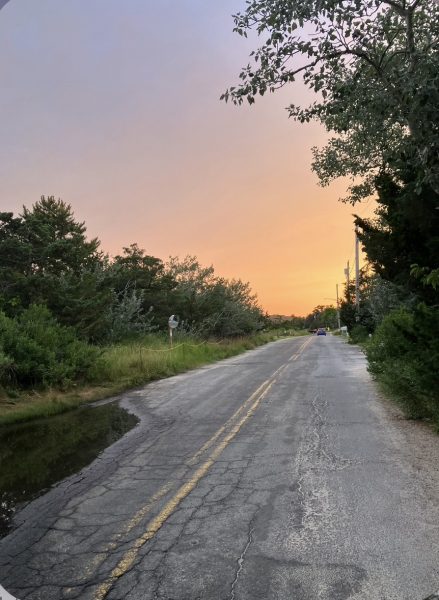
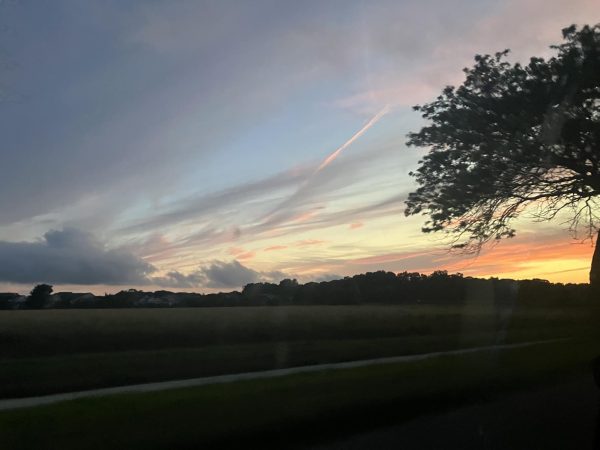
night without fail, and yet every single day the sky appears to be different.
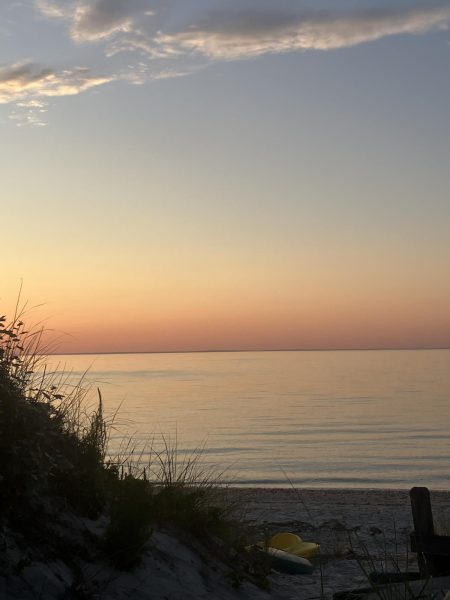
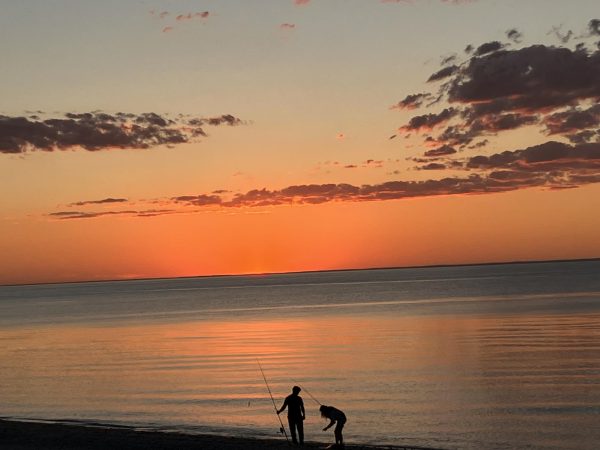
The shades of colors blend into each other and create a beautiful ombre across the sky, as we watch as the sun fades into the moon and into the darkness of the night.
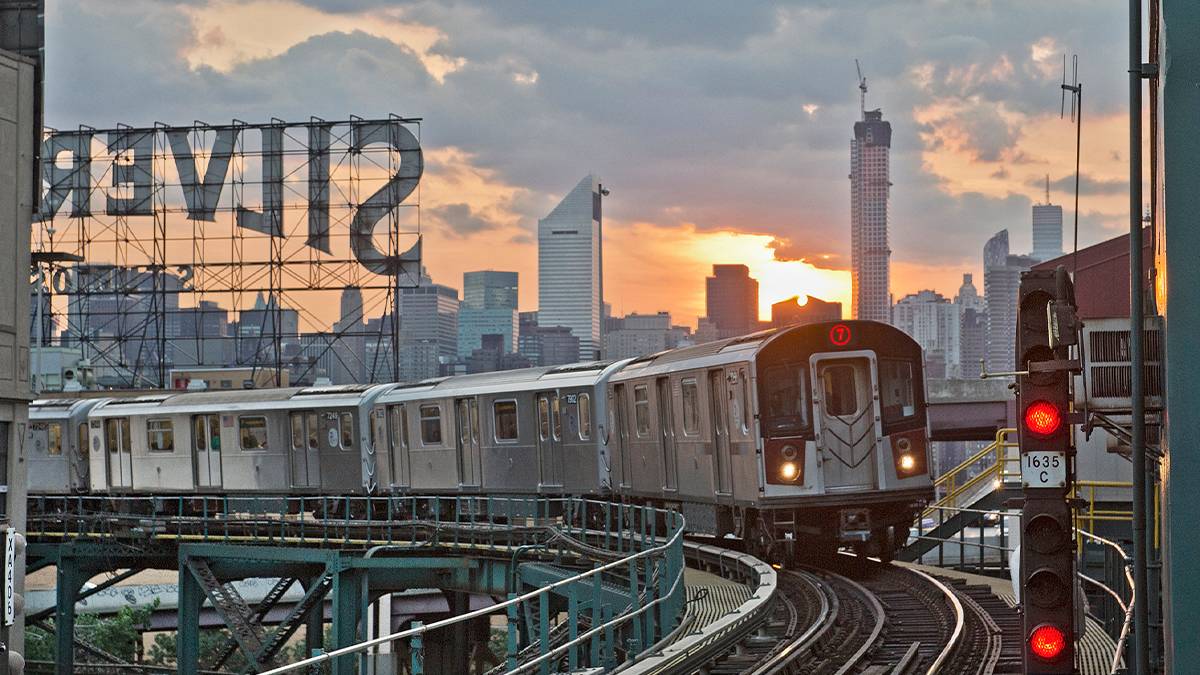
My photo essay is about some of the different sunsets that I have witnessed throughout my life. The reason we see different colors at different times is because of the physics of light. I’ll explore the science behind why we see certain colors at certain times, and why this happens.
During a sunset, sunlight travels through much more air at the horizon than it does midday. The blue light has the shortest wavelength, and scatters easily causing the color of blue during the day.
On the other hand, red has the longest wavelength and doesn’t scatter as much through the atmosphere. Particles in the air create more vibrant colors in the sky during a sunset, such as dust and smoke, volcanos, and haziness.
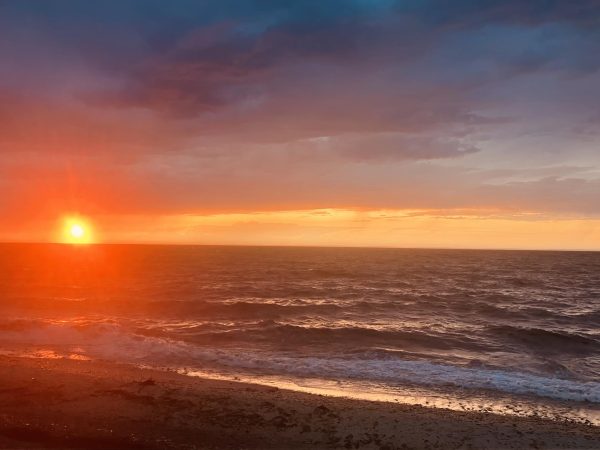
Clouds on their own do create color in the sky, but they reflect the deep reds and orange colors that are in the atmosphere, and do not actually make their own colors.
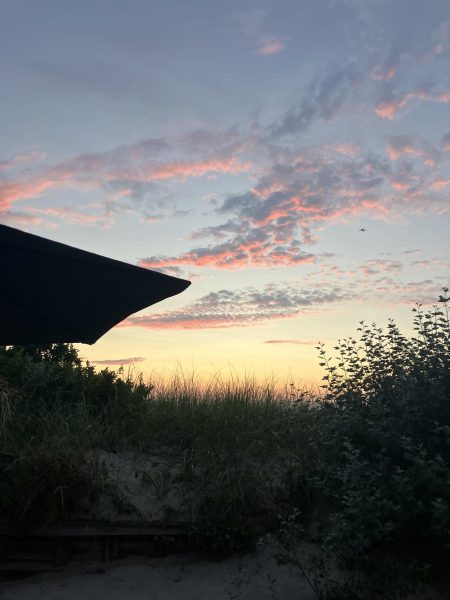
During a sunset, the sun is low on the horizon. Sunlight passes through 10 times more atmosphere compared to midday when it is higher in the sky.
Almost all of the blue light scatters away before it reaches your eyes. Only the reds, oranges, and yellows make it through. Causing the ombre of reds, oranges, yellows and pinks across the sky.
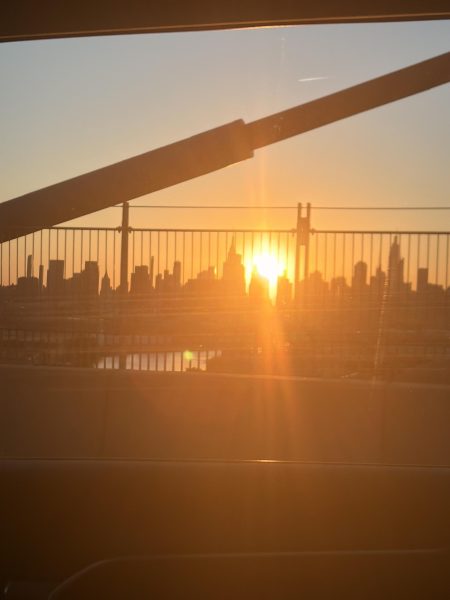
Rayleigh scattering is when light hits tiny air molecules like nitrogen and oxygen.
Because these molecules are smaller than a wave of light, they bounce the shortest wavelengths in every direction.
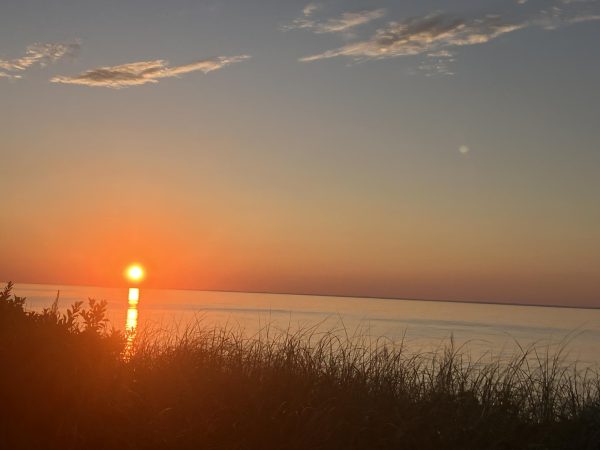
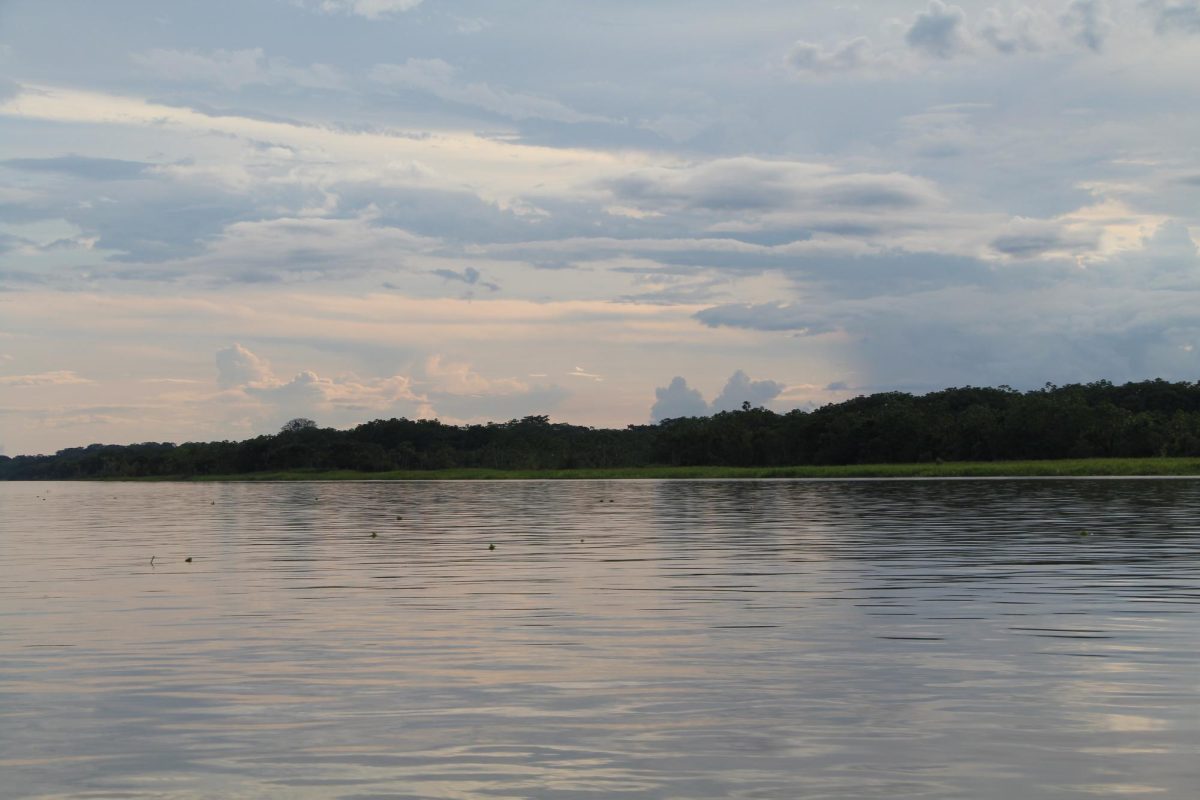
These sunsets mostly have a mix of reds and pinks that are very vibrant at the edges of the sky, while yellow at the center near to the sun, they contain less pastel and soft colors, and instead have deep reds and oranges, with clouds casting a blue-ish or pink shadow.
These types of sunsets are definitely eye-catching, and beautiful to witness, but if you prefer a less intense or extreme palette of colors, then Mie scattering sunsets might be more appealing to you.
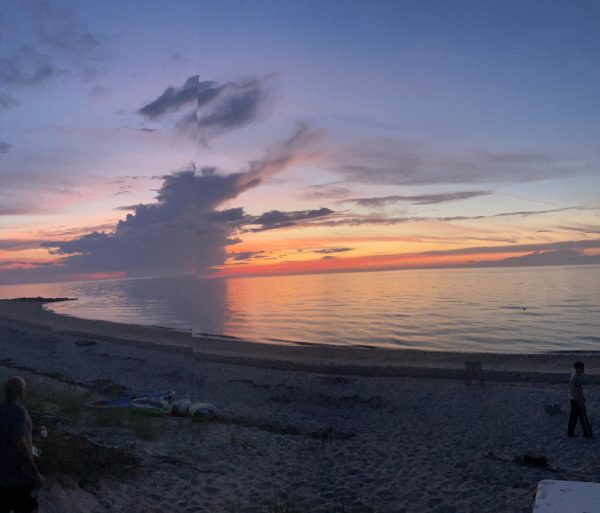
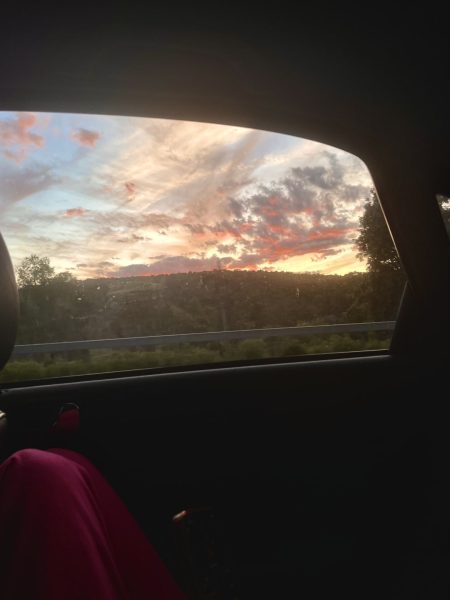
Mie scattering is when light hits larger particles like dust, pollen, smoke, or water droplets.
Because these particles are larger than a wave of light, they scatter all colors of light.
This is what makes clouds look white, as well as causes the white glare that you can see around the sun.
These sunsets tend to look more yellow-ish and orange. The sky appears more pale and hazy, with less extreme vibrancy of colors, such as little amounts of red can be seen during a Mie scattering sunset.
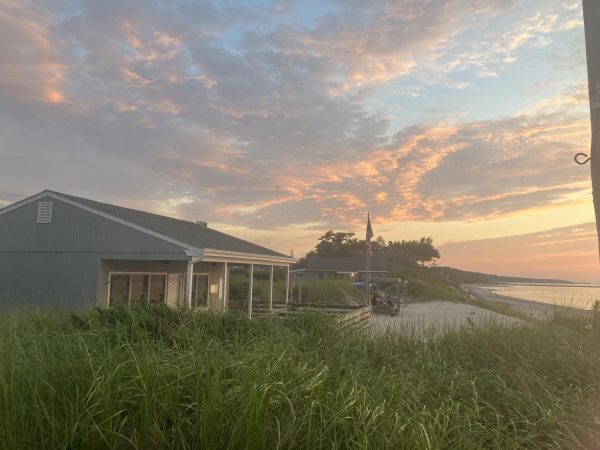
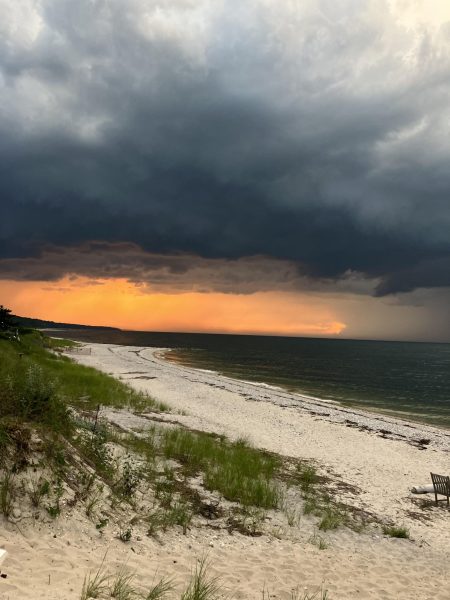
You may notice shades of purple in some of these photos, and while blue is seemed to be the shortest wavelength, violet actually has the shortest wavelength of all of the colors.
The atmosphere doesn’t create this purple wavelength. It’s our eyes that receive red light and blue light from the same direction at the same time. Your brain mixes these signals together and this results in a purple shade being visible.