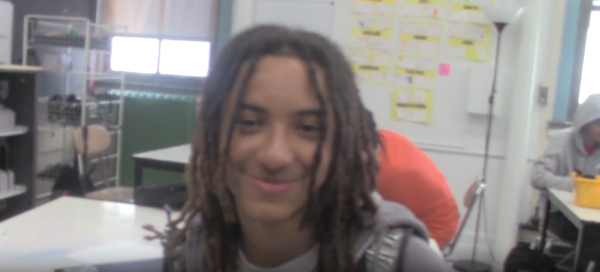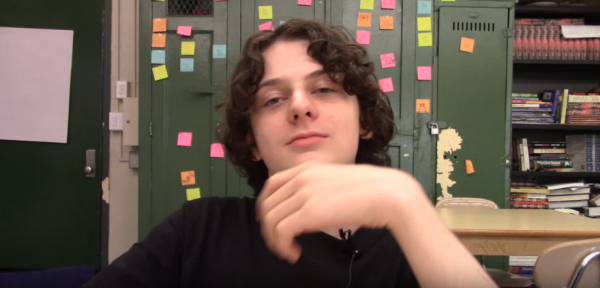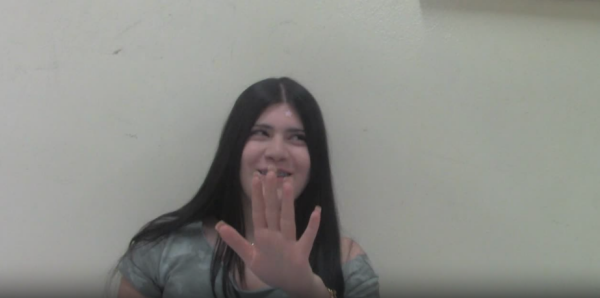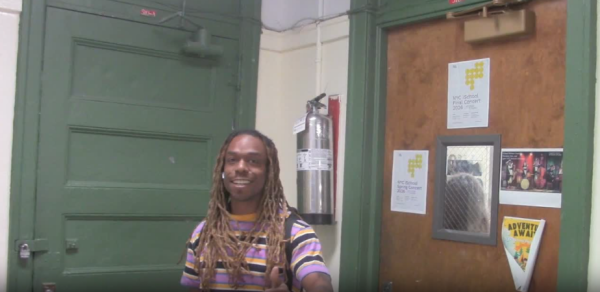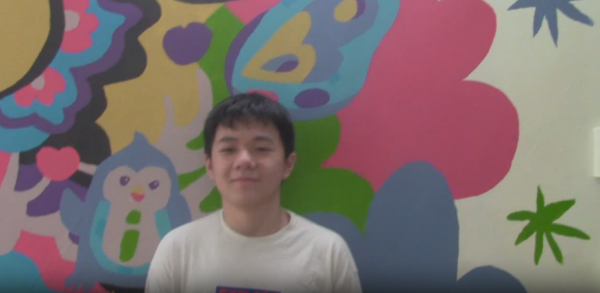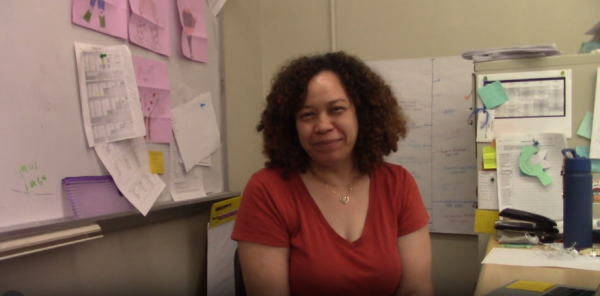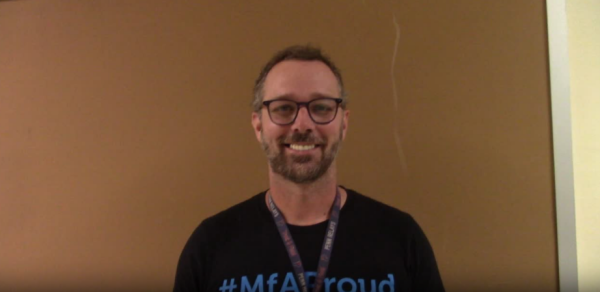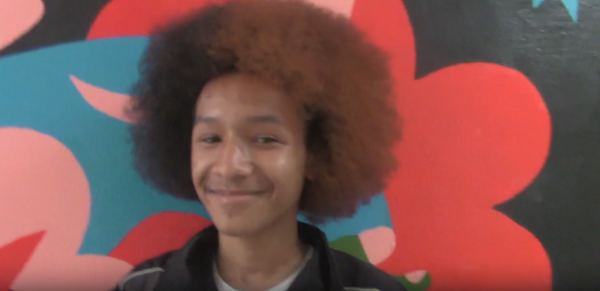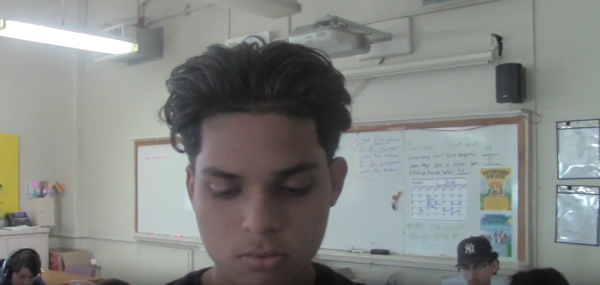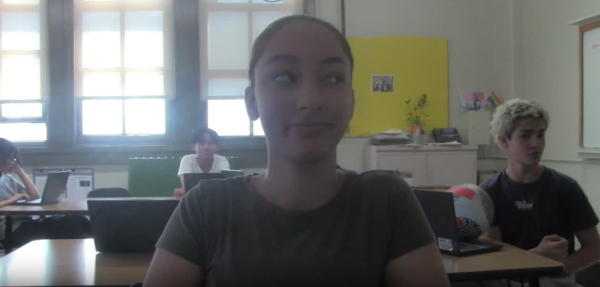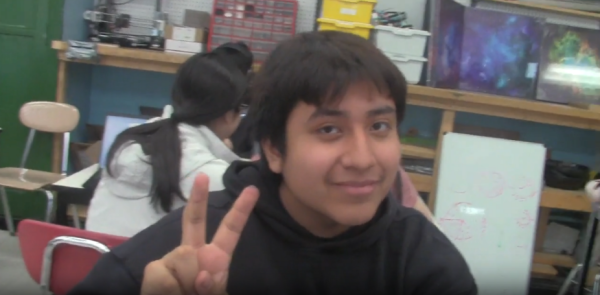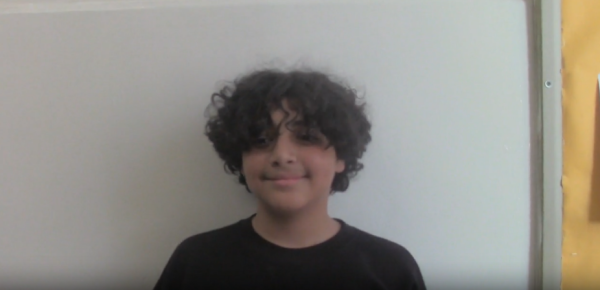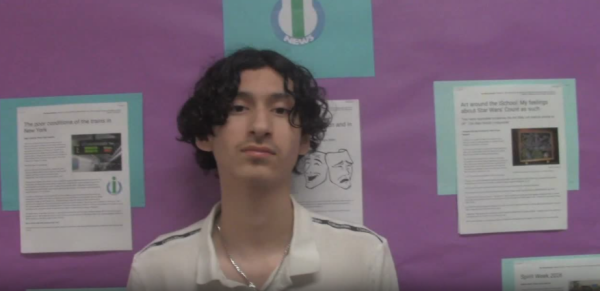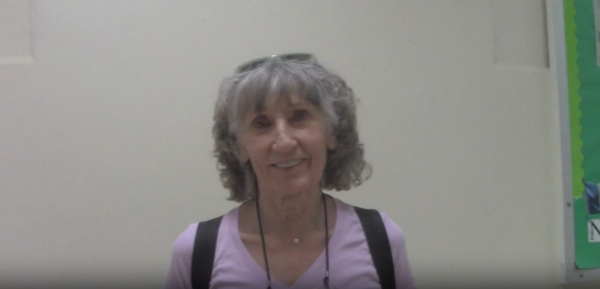

The iSchool, looking over the Sixth Avenue traffic, holds a diverse community of individual and amazing students, all unique to their own style.
Everyone’s got their own look here, and the greatest thing about it is the students appreciate each other’s individuality. You’ll never show up to this school feeling insecure or like you stand out, because our teachers and students alike are welcoming and inviting to all people.
So what’s a big part of that individuality? That spark in each and every person in each and every grade? Hair!!
Coming in all different shapes, sizes, colors, textures, lengths, widths, and more, hair is the one thing you can’t copy. Everyone’s hair is a little different from the next person, and there’s so many different types. Curly hair coils and twists, spreading and growing outwards like grape vines. Then straight hair stands strong and collected, flowing with delicacy. Then there’s wavy, and everything in between, those unnamed, that make hair so special. Some people try to categorize their hair, and it’s been debated for years. But hair changes, reacts differently, and fights back. Hair comes from every corner of the world, and does not repeat itself.
A common categorizer used is the 1a-4c labels. Starting at 1a, hair gets curlier as the numbers and letters increase. For example, 1a, 2a, and 2b are the straighter hairs. 2c, 3a, 3b being wavy/curly. 3c and 4a are very curly, then 4b and 4c are afro/kinky hair types.
But really, all these labels and hair “origins” seem kind of silly. Hair is a combination of breeding across generations from all parts of the world or large areas. How can you justify where one specific hair type comes from? It’s not like if you went to that area you would see only that hair type. Also, many types of hair aren’t too easy to justify, they can be unreliably curly or straight, changing based on weather, products, etc. What if one has 1ab hair?
Too many questions arise from categorizing, so instead of arguing, we should understand what this means to us and society.
What I believe is that no two people are alike, and there should be no stereotype or standard for what hair should be. Every hairstyle or hair type is beautiful in its own way and however the person chooses to wear it. Hair is an expressive, changeable body part that has been decorated for all of human history. We weren’t put on this earth to judge it, or to only worship one type.
Hair shows how many different cultures there are all across our giant world. Hair has so much culture and history tied to it. African, or afro hair, has many different historical origins of hairstyles like:
Braids, originating back to Africa to identify tribes, and also used during the slavery period of the U.S. to map escape routes.
Dreadlocks also signify a connection back to Africa, which is important in many religions which see Africa as a promised land or with sacred religious purpose.
All in all, hair is a significant part of everyday life that many people let go over their head. People spend hours each day on their hair, and put a lot of effort into a hairstyle that expresses themselves. This just shows how important it is to know about hair, and to know to love all hair types! Now, as you walk down the street–or in the iSchool hallways–look at all the different hairstyles, and think deeper into each person’s unique personality and style that prompted that style. Love yourself and your friends just as much on good hair days, and bad ones too.