

Doomscrolling. Social media started as something that was just another activity. Little did people like 29-year-old Emily Bernstein know, it would turn out to be a controlling habit.
She says, “I found myself in bed at night scrolling news sites and knowing this is not healthy for me… so why am I doing this?”
The reason for her poor social media habits is her lack of self-control. Lots of popular apps like TikTok, Instagram, YouTube, Snapchat, Twitter, and many more, have taken over the minds of today’s society. It drags you in with a controlling algorithm and hilarious/relatable videos. This has become recurring within our society.
We as a society tend to describe this as simply “another activity.” But compared to going outside and having fun with friends, learning a new instrument, or going on a walk with your family, doom scrolling is different.
iSchool science teacher Dr. Pihura, says, “You’re getting that dopamine hit after dopamine hit so when you’re stressed out, it’s easy to get into that loop of doom scrolling because your brain wants that dopamine.”
Doomscrolling on dopamine influenced apps can cause negative physical and mental issues and bad addictions to social media.
“I think that the internet and algorithms are designed to make people excited about what comes next,” Dr. Pihura said.
Over the past couple of years, doomscrolling and social media have had an effect on the world. According to this BBC article about how doomscrolling has affected people all around the world, many parents and teachers dislike social media because it makes kids feel disconnected from the world.
Some parents counter habits of doomscrolling by putting time restrictions on their phones. While this is a good and seemingly effective method, a majority of parents don’t do this for their kids.
Extensive research has shown the effects of doomscrolling on developing teenage minds. Professional Lembke, MD, says, “Today, the addictive substance of choice, whether we realize it or not, is often the internet and social media channels.”
Two examples of this are from two iSchool students. Freshman Esmay says, “I decided to doomscroll instead of doing something productive because it doesn’t require a lot of work.”
Second iSchool student Naomi says, “I decided to doomscroll instead of being productive because I was always procrastinating to myself and I was tired.”
So if doomscrolling makes kids feel this way, then what truly makes kids so hooked to social media? Is it because we’ve already gone too deep? Have we simply not thought hard enough about an alternative to stop doomscrolling for this generation and those to come?
Well believe it or not, solutions have tried to be implemented for years now. Dr. Albers explains, “The human attention span is already very short, and when we scroll quickly, we continue to shorten the length of time. You need a solid attention span to help you concentrate and focus.” This further proves that our attention spans have been actively decreasing the more we use social media.
Less time on social media has already been proven by extensive testing. After a one-week detox, “Calvert and the team found a 16% reduction in anxiety symptoms, a 24% decrease in depression symptoms and a 14.5% decrease in insomnia symptoms.”
So, there have been many solutions that we have come up with and the results are amazing. But the issue doesn’t lie there. The population of social media users has exponentially increased over time and continues to grow every day. This makes it hard for already developed solutions to actually work in our society.
Statistics show that the amount of social media users is extremely high. Around 5.7 billion people have used a type of social media before. It would be relatively impossible to limit all these people from being on social media, unless we delete the apps themselves.
Before we truly get into doomscrolling and social media, we need to know where doomscrolling originated from. Doomscrolling started in 2020 during COVID-19 times. It was originally just people searching things up for curiosity’s sake and getting hooked. But, it ended up taking a turn for the worse.
Scrolling for information started to become addictive because you would always want to know what story is happening next. Our brains have been “hardwired to orient us toward novelty and threat. Throughout human existence, this wiring helped keep humans alive,” said Dr. Sawchuk.
This is shown in this quote by Suciu saying, “Let’s consider how much content we consume on Instagram; the average GenZer spends 53 minutes on Instagram.”
Another quote proving this by Cramer-Flood says, “This kind of superficial engagement is time-consuming, especially given that adults in the U.S. spend more than 13 hours a day using various forms of digital media.”
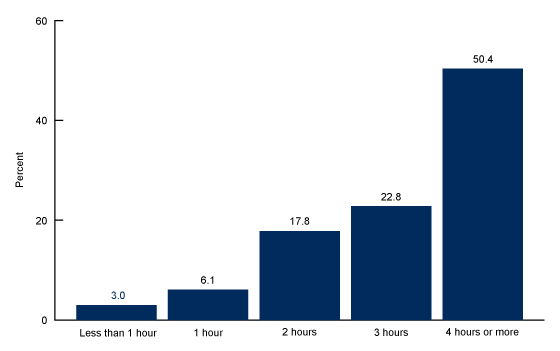
Because of our increased usage of phones, we have felt more attached to them than before. Susan Tapert explains that “Our body may respond to repeated bad news as if it were in continuous danger, involving changes like stress hormone surges, increased heart rate and feeling on edge or exhausted. Over time, this could contribute to anxiety or depression.”
“My eyes would hurt and sometimes I would get headaches or sometimes my eyes would get sleepy because I would be looking at a screen for too long,” says Sebastian. Without even paying much attention to it, we are staring at the screens not because we want to, but because it’s part of our daily lives.
In addition to physical health, it messes with your brain’s growth. “They call it doomscrolling for a reason; it feeds anxiety and depression because it feeds this sense that everything is wrong with the world, that everything is falling apart, and we’re all ‘doomed,” Joseph Trunzo says.
Doomscrolling can even go as far as harming your “amygdala, the center of fear and other emotions, sends stress signals and urges us to keep scanning for threats.” University of California. This and many other features of your brain are being harmed by doomscrolling and it doesn’t help that it is still being influenced to this day.
The concept of you being “behind on life,” is if you’re not up to all of the latest trends on social media. This is something that has been discreet, yet still has an impact on the minds of the youth. It may not even seem true at times, but it can make a change.
For example, freshman Gabby says ,“Everyday I usually spend around 8 hours on social media.”
So not only has social media and doomscrolling changed our society, if you feel like you’re not on it enough, then you won’t “get anything” that’s happening. You may think that this is only an issue in specific places, but this is a global issue that affects hundreds of millions of people till this day.
Doomscrolling has been around for years and as technology becomes more relevant in our society, social media follows it. Ever since its revolution in the early 2010s, the climb of social media sees no sign of stopping.
In 2023, TikTok was just above a billion MAU (monthly active users), with 1.05 billion users. But as of December 2025, the MAU on TikTok had close to doubled with 1.9 billion users. The amount of influence social media has had in the past couple of years has been immense.
Evidence states that around 1.59 billion people have used TikTok every month of 2025, with 135 million of those users being in the United States using TikTok every day.
A seemingly basic meme, 67, has changed the internet in these past couple of months. On a majority of videos you see, you can’t even say the 2 numbers in the same sentence before people start sending photos in the comments and laughing. Even people who aren’t on much social media have most likely heard of it from friends/relatives because of its increasing popularity.
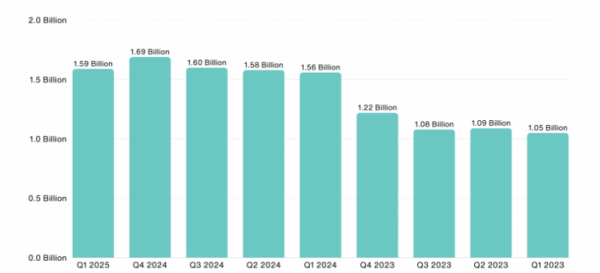
Research from DemandSage. Social media is designed to keep you hooked and the amount of people on social media has only increased over the years and will most likely increase as the years go on.
If we had realized social media’s problems earlier, we most likely would have been able to limit its impact that has occurred like people spending too much time doomscrolling and heavy social influence on our society.
In fact, because of social media, a lot of life-threatening challenges have “inspired” others to do dangerous things that most of the time, can lead to death. People are purposely risking their lives just for the possibility of gaining views on social media; it’s sickening that people could actually want to do this.
A big example of this is the Cinnamon Challenge. This challenge is simple. You pass by eating a spoonful of cinnamon. Seems easy and harmless right? Well eating ground cinnamon is different from eating your average cinnamon roll or Cinnamon Toast Crunch.
Cinnamon dries up your mouth quickly, making it hard to swallow. Also, because particles of cinnamon are so easy to inhale, they can easily give you severe lung damage. So guess how a whole spoonful turned out for those who tried. Really badly.
There is even recorded proof of a death from this challenge. An 18-year-old named Liam St. John had died from aspiration pneumonia (a lung infection) in 2018 while attempting this challenge.
While the death from this challenge is brutal, this is arguably one of the least life-threatening challenges out there on social media. There are a variety of online challenges that have killed hundreds, even thousands, of people.
One of the best ways we can stop these dangerous social media challenges from continuing is doing more outdoor activities. Going to the park with friends, hanging out at the movies, and getting something to eat. These are some of many effective ways to have fun, without having to use social media.
Evidence from the New York Presbyterian says that going outside can encourage physical activity, benefits your mood and mental health, lets you soak in vitamin D, leads to better sleep, and helps you form social connections.
Not only that, but it gives you experience to meet new people and to be present in the world and the environment.
To support this fact, iSchool teacher Ms. Klimowicz says, “Face to face social interactions are the most important thing.”
To elaborate even further, iSchool teacher Dr. Pihura says, “but obviously hanging out in person is the best because you get to actually see each other face to face and get to interact. I think that that’s a much better way to relieve stress and spend time with friends.”
Going more into screen time, there is something that has been implemented not too long ago that does its job at keeping us off our phones at school. The Yondr pouch. While a majority of kids dislike it, it forces us to put our undivided attention towards school.

Magic Vacation shows a Yondr Pouch and the opener. Created in 2014, it recently made its way into lots of US schools and has become mandatory for most of them.
Yondr pouches can give kids better productive habits and take away the need to always be on a phone. If students around NYC, and the world can feel this way, then social media won’t be as big a problem.
For example, sophomore Bethany says, “The longest time I’ve spent on social media was 19 hours.”
Another example from freshman Max says, “Total I think it was like about 6 to 8 hours.”
While kids still try to break the pouch and use it, there won’t be a need for pouches in the first place if kids weren’t so attached to their phones. Being productive and doing activities gives you all these benefits that you would never experience by staying inside and doomscrolling.
For example, iSchool student Luc says, “I want to get out of doomscrolling, so I can be more productive on the weekends and I can finish work and never do it last minute.” If students can do their work earlier, then they will have more time to do whatever they want after.
Implementing good habits early can benefit kids from facing bad habits later on when they’ll need it most. For example, going to work. If you have bad habits, then you might not finish your work on time or constantly come in late.
Yet if you develop good habits early, then you are more likely to not only keep these habits consistent, then you are more likely to be ahead of your peers because of these skills.
BrownHealth says that good work habits give you a plethora of benefits, some of them being efficiency, consistency, time management, stress reduction, and many more. Phones are what stop most people from acquiring these useful skills and they can be beneficial down the line.
In fact, some countries have heavily liked the idea of implementing restrictions on phones for teenagers.
Most people might know that recently, Australia went through a social media ban for all children under the age of 16. Less social media has already started to have an impact on many Australians and this ban restricts any social media app like Tiktok, Instagram, Youtube, and many more.
While adults have been ecstatic, children have had mixed feelings.
A quote from 14-year-old Claire Ni says, “It’s just kind of pointless, we’re just going to create new ways to get on these platforms, so what’s the point.”
While 15-year-old Arian Klaar says, “Social media is highly addictive and doesn’t really have any real advantages. I mean, there are advantages, such as being able to spread your opinion, but I think the disadvantages, especially the addiction, are much worse.”
It would probably be for the best for kids to get rid of social media, since it would be overall better for their growth. In fact, countries like Denmark, France, Norway, and many more have actually been inspired by what Australia has done and have implemented these phone bans into their own country.
Things like time limits have also had an impact on kids. iSchool student Roston claims that “doomscrolling is very bad and we should fix it by setting time limits to 2 hours every day on all social media apps because it can do damage to your mental health and your eyes.”
Testing from the AAP further goes into this by splitting college students into three groups. The control group had no limit on social media. The second group had 30 minutes a day. The third group had 30 minutes a day, but had to comment or post every 3 minutes.
The data gathered shows that the students with 30 mins a day, not surprisingly, had less depression systems then the control group.
The thing that was really shocking was that the group that had to be active every 3 minutes, actually had high rates of loneliness, anxiety, and lower self-esteem. Forcing students to be active on social media could actually make symptoms worse than before, even if it’s only 30 minutes.
If students are able to grow without screens, then they will end up having better mental and physical health, as well as having increased social skills. They wouldn’t be as heavily influenced by social media and have time to explore new interests or hobbies that they would have never thought of.
The future of our world will, without a doubt, revolve around technology. But instead of being consumed by it, we should learn to co-exist with it, to become a better society and bring it with us to the future. But, we should also enjoy the wonders of life because it won’t always last forever and neither will we.