

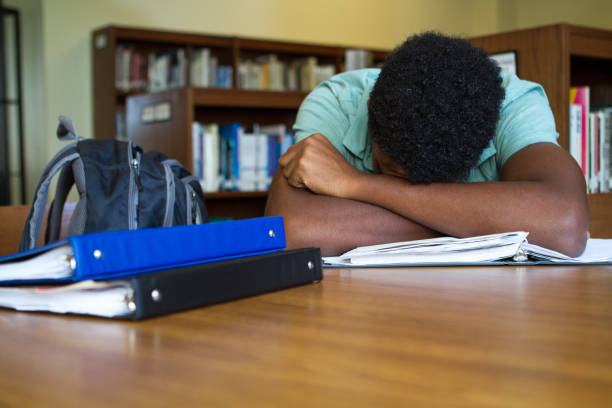
Nearly 1 in 10 high school students report attempting suicide each year. That’s over a million students annually. Academic stress is a major contributor to these numbers, and most don’t know about these alarming statistics and tend to look over the role of school related stress in the numbers.
Academic stress is the pressure to get good grades, study for tests,complete homework, and maintain extracurriculars. This is something many students across the globe face that gets worse every year. Some may think school related stress is part of the productive struggle but research shows it can make students perform worse. This form of stress is an overlooked, yet critical crisis affecting students worldwide causing mental health issues like anxiety, depression, and even suicide among teenagers and young adults.
Academic stress isn’t just a statistic, it’s a reality for everyone from freshman to seniors at the iSchool. Mariana, a senior at the school, experiences school-related stress from the college application process, from herself, and from teachers. The biggest source of stress in her academic life currently was the college process. She notes that It was “especially stressful in October when I was writing college essays, applying, filling out forms and attending visits”.
At the current moment the stress of the college process has been primarily from choosing which college she wants to attend and financial aid options.“I don’t want to be perceived as a bad student and I want to give the class my all,” she says. Mariana doesn’t want to fail to meet expectations from her teachers and will feel like a “bad student” if she does.
However, she feels that the school provides many resources for students that help prevent and manage academic stress.”Our school does a good job of giving students enough time to complete assignments without feeling an overwhelming amount of stress,” she said. She also finds office hours are beneficial due to the quality time teachers spend with students one on one.
When Mariana feels overwhelmed, she takes a quick break and tries not to get on her phone. it leads to procrastination and creates a list of everything she has to complete. Her list helps clear her mind and complete assignments thoughtfully. Mariana thinks teachers can help with academic stress by helping students become more organized and stressing the importance of planners and using google calendar.
Even people who don’t have to deal with college applications yet still experience academic stress like Valery, a freshman at the iSchool. She experiences stress from lots of homework and classes that feel harder than others: ‘’We get a lot of homework back to back even though homework is due a week after.” Valery feels like some classes give homework too frequently and the homework is too rigorous to be given that frequently. Valery says she takes breaks to help but it gets to a point where taking a break would mean turning in an assignment late.
Additionally, she feels that in classes like gym her grade is easy to drop even when she tries her best. Valery expressed that she feels motivation from her parents because of their high expectations but at the same time she feels pressure due to those expectations. Similar to Mariana, Valery also thinks office hours are a valuable resource but she feels that some teachers should be more flexible with due dates and teachers should be more aware of how much work they have to not let work pile up on students.
Ms. Dietterle, a guidance counselor at the iSchool, sees a lot of stress around testing grades and students’ futures like college application/admissions. She said, “Academic stress causes anxiety before and during school, loss of motivation, feeling overwhelmed, and feeling like you have to be perfect.” Ms. Dietterle feels like this type of stress can leave students burnt out. She thinks we have a strong guidance team, teachers are willing to support students with what they need, and adults look out for students’ well being.
However, she feels like other schools that stress tests and grades contribute to academic stress rather than schools that prioritize student mental health and well being. Tips she gave in order to deal with academic stress were to spend time with loved ones, exercise, doing a hobby, being creative, sleeping enough, doing things to help calm the brain like grounding, and taking breaks.
According to the CDC, 9.5 percent of high school students have reported suicide attempts. YRBS data from 2021 also revealed that over 42% of high school students experienced persistent feelings of sadness or hopelessness and 29% reporting their mental health as either not good most of the time or always. Experts believe academic stress has a large role in these statistics.
Research shows that academic stress often develops when students feel that the demands of school exceed their ability to cope. A study published in Frontiers Public Health explains that academic stress arises from the constant interaction between students and their environment, including school expectations, workload, and available coping resources. When students believe that the pressure from tests, homework, or expectations outweighs their ability to manage it, stress levels increase significantly and can negatively affect motivation, behavior, and self-esteem.
These pressures are not only created by schoolwork itself but also by the environment surrounding students. An analysis of academic stress patterns found that factors such as study environment, peer pressure, and family expectations all contribute to how stressed students feel. Students studying in noisy or chaotic environments reported higher levels of frustration and anxiety, while those in calm and supportive environments were able to focus more easily and feel less overwhelmed. The study also found that high school students tend to experience some of the highest levels of academic stress compared to older students, partly because they are still learning how to manage time, expectations, and responsibilities.
Another major contributor to student stress is the increasingly competitive culture surrounding education. According to reporting from PBS’s Independent Lens, many students feel trapped in what researchers call a “grind culture,” where constant productivity and achievement are expected. Students often feel pressure to maintain perfect grades, take advanced classes, and build impressive resumes for college applications. Experts say this competitive environment can cause students to tie their self-worth to their academic achievements, leading to anxiety, burnout, and sleep loss.